Grenada: Still Beautiful After
the Storms by Marcia Niles
On the Caribbean island of
Grenada, the balmy tropical air is filled with the aromatic scents of
nutmeg, cinnamon, cloves and ginger. Known as the Spice Isle, the island
has been the world's second largest producer of nutmeg. Centuries-old
spice farms and plantations are found throughout Grenada.
The
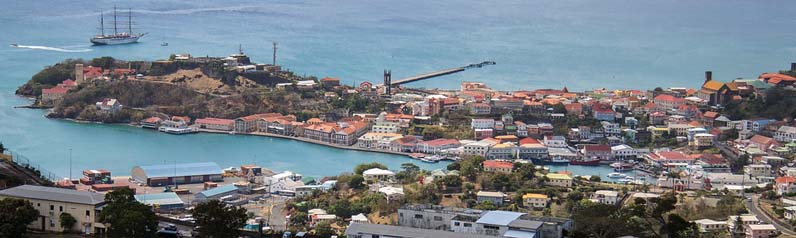
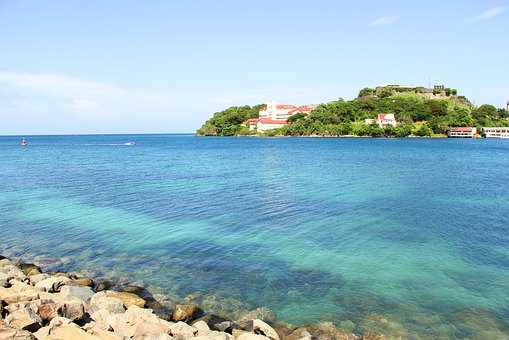
capital city of St. George's is often described as the most beautiful and
picturesque in the Caribbean. Its horseshoe-shaped natural harbor is
surrounded by pastel-colored buildings with red tile roofs and hillside
houses overlooking the bay.
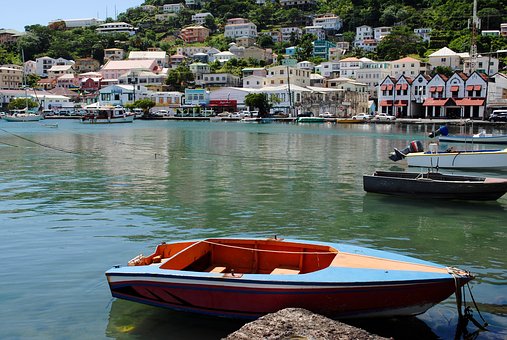
Known
as the Carenage, the harbor is home to colorful fishing boats, yachts and
cruise ships. Here, local fishermen announce the day's catch with the
traditional blowing of a conch shell. Along the waterfront are shops and
restaurants. Experience the pulse of the island with a visit to Market
Square -- located in the heart of the city, this vibrant and bustling
market is where you'll see the bounty of the land as local vendors
display and sell their colorful produce of fruits, vegetables and spices.
Here you can also find a variety of locally made handicrafts .
Grenada
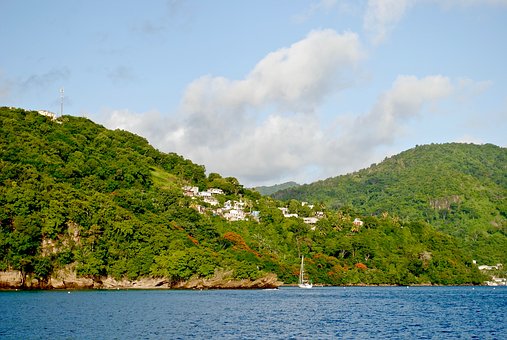
has a pristine coastline of white sandy beaches and a mountainous
interior of lush tropical rainforests, cascading waterfalls, and volcanic
crater lakes. An abundance of beautiful flowers and plants, including
many rare species, grow on the island. Grenada has been a participant at
the world-renowned Chelsea Flower Show and has received both gold and
silver awards for its stunning displays.
The
Arawak Indians inhabited Grenada before they were displaced by the
warlike Caribs. In 1498, on his third voyage, Christopher Columbus caught
sight of the island, and named it Concepcion, Spanish sailors later
renamed it Granada because of its resemblance to the lush, verdant hills
of Spain. The Caribs strongly resisted the Europeans in their attempts to
settle and colonize the island. It wasn't until 1651, that the French
eventually took control and established a colony; they called it Le
Grenade. It is believed that the last remaining Caribs jumped from a
cliff to their death rather than surrender. The French named the spot
"Le Mourne de Sauteers," or "Leapers Hill."
The
French colony existed for more than a century until Britain seized
possession. The Treaty of Paris formally ceded the island to Britain in
1763. In a series of "tug of wars," the island reverted to
French rule for four years. Britain regained power in 1783 under the
Treaty of Versailles and Grenade became Grenada.
Grenada
became an independent nation in 1974 and Sir Eric Gairy became the first
Prime Minister. In 1979, the government was overthrown by a Marxist coup
while the PM was out of the country and the new party leadership headed
by Maurice Bishop took office. In 1983, the small island nation of
Grenada became the focus of international attention, when factions within
the ruling regime led to another coup d'etat, with severe consequences.
Maurice Bishop was placed under house arrest, but freed by his
supporters. Within hours, he and several members of his administration,
along with some civilians lost their lives. Just days following the
unrest, USA and Caribbean forces invaded Grenada and handed power over to
the Governor General. Elections resumed in 1984 and the country functions
today as a democratic society.
In
2004, hurricane Ivan made landfall on Grenada and caused enormous and
widespread devastation. Several people died, and many others lost their
homes and businesses. About 90% of the nutmeg trees were destroyed.
With a
determination to weather the storms, and the outpouring of international
support, the island is making steady progress in its recovery efforts.
Despite the turbulent years, Grenada has produced many remarkable men and
women who have made significant contributions throughout the Caribbean
and the world. It has emerged as an island that still captivates visitors
to its beautiful shores.
Top
|