Bird Watching Prospects in the
Amazon Rainforest by Rick Chapo
Once you catch bird watching
fever, the completion of your life list will become a dream. In that
dream, there is little doubt that you will see the famous Amazon
Rainforest.
Bird
Watching Prospects in the Amazon Rainforest
Encompassing
about 1,500 species in the land where the world's second longest river
flows, the Amazon Rainforest is a unique birding habitat. This region of
South America from the Peruvian Andes to the South Atlantic in Brazil is
known as Amazonia.
The
Amazon River and shoreline is a major destination for bird watchers with
4,000 miles of shoreline. It is estimated that about 15 percent of all
known bird species in the world have their habitat here, which represents
only 4 percent of the planet's land surface.
The
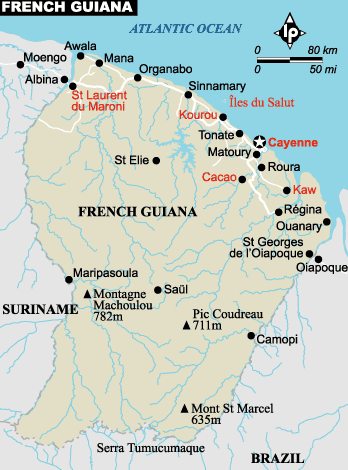
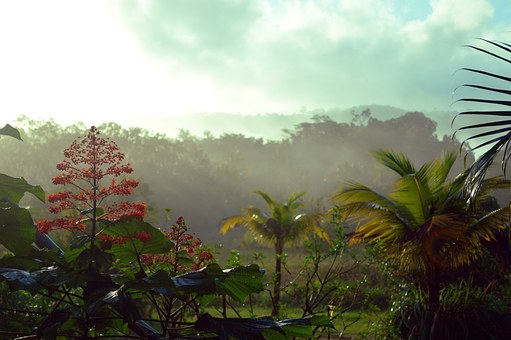
Amazon Rainforest is a 7 million km square (1.2 billion acres) moist
broad leaf forest from 9 nations, Bolivia, Peru, Ecuador, Colombia,
Venezuela, Guyana, Suriname, French Guiana and Brazil, the country which
encompasses 60 percent of the Amazon rainforest. The range of nations and
the characteristics of the forest contribute to making this region home
of the world's tiniest hummingbirds. The area includes such rare species
as the hoatzin, toucan, and the umbrella bird.
Amazonia
forest also represents over half of the planet's remaining rainforests,
one of the few areas where bird watchers can find such life list
necessities as exotic parrots, umbrella birds and trogons. The high
diversity of Amazon species includes resident species, wintering in,
migrating birds, or just passing though the region.
Few of
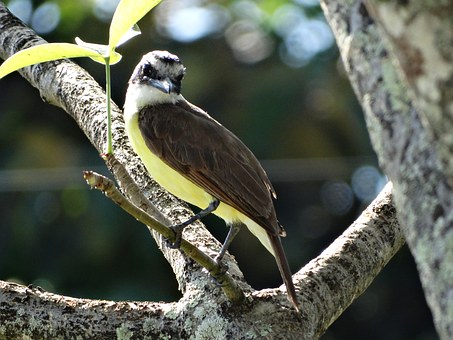
the species are found throughout the vast rainforest. Instead, each has
particular habitats in particular areas. Species at the base of the Andes
are far different than those found closer to the vast Amazon River basin.
In short, one has to have a thorough knowledge of specific species before
simply heading down to South America on a birding expedition.
The
Amazon Rainforest represents one of the last great ecological
environments on our planet. Alas, humanity is encroaching on it every
day, slashing and burning acre after acre. While it is nice to imagine
this destruction will soon stop, it is best to pursue any birding trip in
the next ten years or so. After all, the planet is changing and they
think there may be trees growing on Antarctica in the next hundred years
or so!

top
|